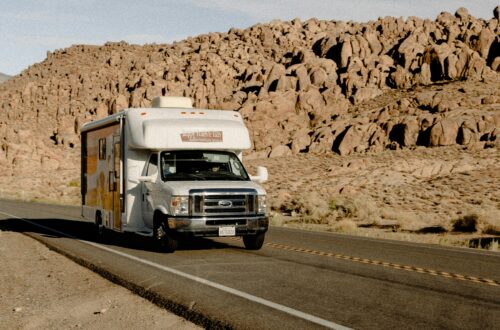
The Evolution of RV Sales: How Rentals Are Reshaping the Market
The recreational vehicle (RV) industry has undergone a remarkable transformation since its inception in the early 20th century. From the introduction of the first motorized “camping car” to the high-tech mobile homes of today, RVs have evolved in response to changing consumer preferences, technological advancements, and economic trends. In recent years, one of the most significant shifts in the RV market has been the rise of rentals, which are reshaping the industry landscape and altering how consumers engage with RVs.
A Historical Perspective: The Evolution of RVs
Early Beginnings (1910s-1930s)
The first RV, the Pierce-Arrow Touring Landau, debuted in 1910, offering basic amenities like a fold-out bed and sink. This marked the beginning of a new way for families to travel and camp. During this period, RVs were primarily add-ons to automobiles and catered to a niche audience of adventurers. However, their popularity waned during the Great Depression and World War II as economic hardship and resource constraints took precedence1.
Post-War Boom (1950s-1960s)
The post-war economic boom brought renewed interest in RVs. Manufacturers like Winnebago began producing affordable motorhomes that appealed to middle-class families eager for outdoor vacations. By the 1960s, RVs became symbols of freedom and exploration, spurred by increased disposable income and paid vacation benefits for workers.
Modern-Day Innovations
Today’s RVs are marvels of engineering, equipped with luxuries such as satellite TV, washer/dryers, and even solar panels. These advancements reflect broader technological progress and shifting consumer expectations for comfort and convenience on the road.
The Rise of Rentals: A Game-Changer in the RV Market
In recent years, RV rentals have emerged as a disruptive force in the industry. The rental market is projected to grow from $698.5 million in 2023 to $1.1 billion by 2030, driven by changing travel preferences, technological innovations, and economic trends.
Why Rentals Are Gaining Popularity
- Affordability
Renting an RV offers a cost-effective alternative to ownership. With motorized RV prices often exceeding $100,000, many consumers prefer renting as a way to experience RV travel without committing to a significant financial investment. - Flexibility
Rentals provide flexibility for occasional travelers who may not need an RV year-round. This aligns with broader trends in the sharing economy, where access is prioritized over ownership. - Technological Advancements
Online platforms like Outdoorsy and RVshare have streamlined the rental process, making it easier than ever for consumers to book an RV for their adventures. These platforms also allow individual owners to rent out their vehicles, creating additional income streams. - Post-Pandemic Travel Trends
The COVID-19 pandemic accelerated demand for self-contained travel options like RVs. Rentals became particularly attractive as they allowed travelers to maintain social distancing while exploring outdoor destinations.
Impact on Traditional Sales
The rise of rentals has had mixed effects on traditional RV sales:
Positive Effects
- Introduction to New Customers
Many first-time renters eventually become buyers. Studies show that up to 75% of renters plan to purchase an RV within two years, making rentals a valuable entry point into the market. - Revenue Diversification for Dealers
Dealers offering rentals have reported increased revenue streams, helping them weather fluctuations in new sales markets.
Challenges
- Cannibalization Concerns
Some industry experts initially feared that rentals might cannibalize new sales. However, evidence suggests that rentals often complement sales rather than replace them by introducing more people to the RV lifestyle. - Shift in Consumer Preferences
The growing preference for towable RVs over motorized units reflects a shift toward affordability and practicality. Towable shipments grew by 21.1% in 2024, while motorized shipments declined by 26.5%2. This trend may challenge manufacturers focused on high-end motorhomes.
Key Trends Driving Market Growth
Experiential Travel
Modern consumers increasingly prioritize experiences over material possessions. This shift has fueled demand for RV rentals as travelers seek unique and immersive ways to explore nature.
Remote Work and Digital Nomadism
The rise of remote work has created new opportunities for long-term RV rentals. Many professionals now use RVs as mobile offices, blending work with travel in ways that were previously unimaginable.
Luxury Offerings
To attract upscale travelers, rental companies are expanding their fleets with luxury models featuring premium amenities. This diversification appeals to a broader demographic range, including those who might not have considered RV travel before.
Global Expansion
While traditionally concentrated in North America, the rental market is expanding globally as outdoor travel gains popularity worldwide. Emerging markets represent significant growth opportunities for rental providers.
Challenges Facing the Rental Market
Despite its rapid growth, the rental market faces several challenges:
- Regulatory Hurdles
Different states and countries have varying regulations regarding vehicle rentals, which can complicate operations for providers. - Supply Constraints
High demand has occasionally outpaced supply, particularly during peak travel seasons. - Competition
As more players enter the market, competition among rental platforms is intensifying. Companies must differentiate themselves through superior customer service and innovative offerings.
Future Outlook
The future of the RV market will likely see continued integration between rentals and traditional sales:
- Hybrid Models: Dealers may increasingly adopt hybrid business models that combine sales with rentals to capture diverse revenue streams.
- Technological Integration: Advances in booking platforms and vehicle technology will further enhance customer experiences.
- Sustainability Trends: As environmental concerns grow, manufacturers may develop more eco-friendly models tailored for both ownership and rental markets.
By embracing these trends, the industry can cater to evolving consumer demands while ensuring sustainable growth.
The evolution of RV sales is a testament to how industries adapt to changing times. From its humble beginnings as a niche product for adventurous families to its current status as a multi-billion-dollar industry, the RV market has consistently reinvented itself.
Rentals are now at the forefront of this transformation, offering an accessible gateway into the world of RVing for millions of people worldwide. As technology advances and consumer preferences continue to shift toward experiential travel and flexibility, rentals are poised to play an even larger role in shaping the future of this dynamic industry.
Whether through ownership or rental, one thing remains clear: the allure of hitting the open road in an RV is stronger than ever.
Content generated by Perplex.ai