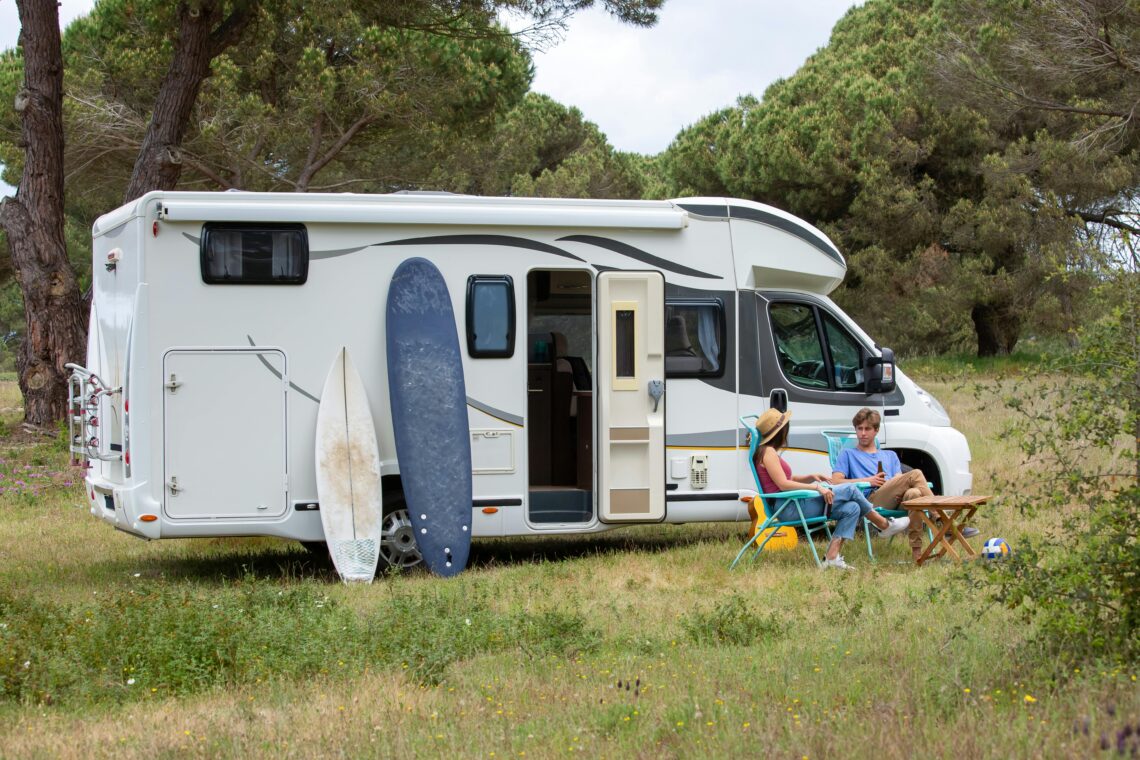
Sustainable Camping Practices for Responsible RV Travelers
As more adventurers hit the open road in their RVs, the need for eco-conscious travel habits has never been more important. RV camping offers the perfect blend of mobility, comfort, and nature immersion, but it also comes with a footprint. The good news? With mindful choices, RVers can significantly reduce their environmental impact while still enjoying all the freedom of life on the road. Here’s how to embrace sustainable camping practices and become a responsible RV traveler.
1. Choose an Eco-Friendly RV Setup
Before your journey even begins, your choice of RV can play a huge role in sustainability. While large motorhomes offer space and luxury, they often consume more fuel. Consider:
- Smaller RVs or Travel Trailers: Lightweight options use less fuel and are easier to tow.
- Hybrid or Electric Models: Emerging technologies now offer more fuel-efficient and even electric RVs.
- Solar Power Systems: Installing solar panels allows you to harness renewable energy and reduce reliance on generators or campsite power.
By selecting a setup that prioritizes efficiency, you’re already making a greener choice.
2. Practice Smart Waste Management
Waste is one of the most visible environmental impacts of camping. Reduce your waste output by following these practices:
- Use Reusables: Bring reusable dishware, utensils, water bottles, and storage containers.
- Recycle Properly: Research local recycling rules at each stop and sort your recyclables accordingly.
- Minimize Single-Use Plastics: Avoid individually packaged items when shopping.
- Compost When Possible: Some RVers carry compost bins or use campground composting stations.
- Dispose Responsibly: Always empty gray and black water tanks at designated dump stations to avoid contaminating natural areas.
3. Conserve Water
Water conservation is especially crucial when boondocking or staying at primitive sites. Try these tips:
- Low-Flow Fixtures: Install low-flow showerheads and faucets to cut back on usage.
- Mindful Showers: Keep showers short, and use a timer to stay conscious of time spent.
- Reuse Water: Collect gray water for non-potable uses, such as flushing the toilet (if local regulations allow).
- Fix Leaks Promptly: A small leak can waste gallons over time.
4. Be Fuel Efficient
Gasoline and diesel are major contributors to greenhouse gas emissions. You can reduce your fuel consumption with these practices:
- Drive Slower: Maintaining a moderate speed improves fuel efficiency.
- Plan Routes Wisely: Avoid unnecessary detours and use apps to find the most direct or fuel-efficient paths.
- Keep Your RV Maintained: Proper tire inflation, engine tuning, and regular servicing can make a noticeable difference.
- Stay Longer: Rather than jumping from site to site, consider staying in each location for longer periods to reduce driving.
5. Respect Campsites and Leave No Trace
Responsible RVers always aim to leave nature as they found it. Embrace Leave No Trace principles:
- Camp in Designated Areas: Avoid creating new paths or parking spots that damage vegetation.
- Pack Out All Trash: Even small items like food wrappers or cigarette butts make a difference.
- Avoid Disturbing Wildlife: Keep a respectful distance and never feed wild animals.
- Use Eco-Friendly Products: Choose biodegradable soaps, detergents, and cleaning products to prevent pollution.
6. Support Local and Sustainable Businesses
One of the joys of RV travel is discovering local communities. Support the economy and sustainability by:
- Shopping at Farmers Markets: Fresh, local produce has a lower carbon footprint.
- Choosing Sustainable Campgrounds: Look for parks that use renewable energy, recycling programs, or eco-certifications.
- Dining Local: Opt for restaurants that source ingredients locally and reduce waste.
These actions help reduce transportation-related emissions and promote environmentally responsible businesses.
7. Reduce Light and Noise Pollution
Peace and quiet are part of the camping experience. Be a courteous neighbor and protect the natural ambiance:
- Limit Generator Use: Use generators sparingly or not at all. Solar power is a quieter, cleaner alternative.
- Dim Your Lights: Avoid overly bright outdoor lights, and use motion sensors or amber lighting to reduce skyglow.
- Respect Quiet Hours: Keep noise down, especially after dark.
8. Educate and Inspire Others
Sharing your sustainability efforts can inspire fellow travelers to do the same. Consider:
- Documenting Your Practices: Use blogs, social media, or campground conversations to spread the word.
- Hosting or Joining Cleanup Events: Organize trash pickups at campsites or join existing community efforts.
- Encouraging Responsible Behavior: Kindly remind fellow campers of rules or share tips for greener travel.
Sustainable RV travel isn’t about perfection—it’s about progress and intention. Every conscious choice, from conserving water to reducing waste, contributes to the preservation of the beautiful landscapes we all love to explore. By embracing these responsible camping practices, RVers can continue to enjoy the freedom of the open road while ensuring that future generations can do the same. So roll out with purpose, park with care, and travel lightly—because the planet is your ultimate campsite.