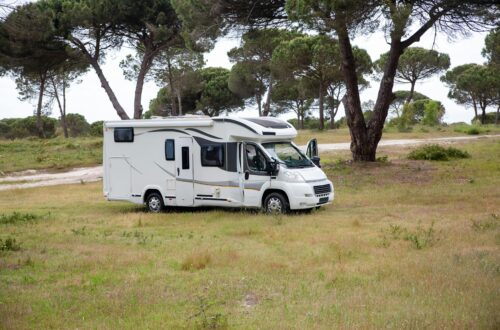
Exploring the Role of Electric RVs in the Green Travel Movement
In recent years, the push toward sustainability has transformed industries across the globe—and the travel sector is no exception. From electric cars to carbon-neutral flights, innovation is reshaping the way people move. One of the most exciting frontiers in this movement is the rise of electric recreational vehicles (RVs). These battery-powered homes-on-wheels are merging eco-friendly technology with the freedom of the open road, redefining what it means to travel responsibly.
As environmental awareness grows and green travel becomes a priority, electric RVs (eRVs) are emerging as a cornerstone of the sustainable travel revolution. But can they truly deliver on their promise of zero-emission adventure? Let’s explore the role of electric RVs in shaping the future of green travel and how this technology is revolutionizing road trips for a new generation.
The Shift Toward Sustainable Travel
For decades, the RV lifestyle has symbolized freedom, adventure, and independence. Yet, traditional RVs—powered by gasoline or diesel engines—also come with a hefty environmental footprint. These large vehicles often consume significant amounts of fuel and emit high levels of carbon dioxide, contributing to air pollution and climate change.
Today’s travelers, particularly millennials and Gen Z, are increasingly conscious of their impact on the planet. According to a 2024 report by the Outdoor Industry Association, 70% of young travelers consider sustainability a key factor in their travel choices. This shift in mindset has opened the door for electric RVs to take center stage.
As countries push for electrification and clean energy adoption, electric RVs are quickly evolving from a niche innovation to a mainstream alternative. They represent a natural progression for travelers who want to explore the world—without leaving a trail of emissions behind.
How Electric RVs Work
Electric RVs operate on the same principles as electric cars, but with added complexity due to their size and power demands. They rely on large lithium-ion battery packs to power both the drivetrain and onboard living systems such as lighting, heating, cooling, and appliances. Many models also integrate solar panels on the roof to supplement battery power and extend off-grid capability.
Some electric RVs are fully electric, while others use hybrid systems that combine an electric motor with a small combustion engine for longer range or emergency charging. As battery density and efficiency improve, fully electric models are becoming increasingly practical for extended travel.
Charging infrastructure is another crucial component. The rapid expansion of fast-charging networks across North America and Europe has made long-distance electric travel more feasible than ever. And as more campgrounds install EV charging stations, eRV owners will have greater flexibility in planning their routes.
Leading the Charge: Innovations in Electric RVs
Several manufacturers are spearheading the electric RV revolution. Companies like Winnebago, Airstream, and Thor Industries have already introduced prototype and production-ready eRVs that blend sustainable design with cutting-edge technology.
- Winnebago eRV2: One of the first fully electric RVs on the market, the eRV2 boasts a range of around 125 miles and features a 48V house battery system that supports off-grid living for several days. Solar panels and smart energy management make it one of the most advanced eRVs available.
- Airstream eStream: Designed with aerodynamics and efficiency in mind, the eStream includes a dual-motor electric drivetrain that assists in towing and regenerative braking. It can even be maneuvered remotely using a smartphone app.
- Lightship L1: A fully electric, self-propelled travel trailer, the Lightship L1 is designed to minimize drag and maximize solar generation. Its sleek design and focus on renewable energy make it a standout example of green engineering.
These innovations demonstrate how technology is addressing the main barriers to electric RV adoption: range, power, and convenience. With continuous advancements in battery performance and lightweight materials, the gap between traditional and electric RVs is closing fast.
Advantages of Electric RVs in the Green Travel Movement
The environmental benefits of electric RVs are undeniable, but they also offer a host of practical advantages that appeal to modern travelers.
- Zero Tailpipe Emissions
Electric RVs produce no direct emissions, drastically reducing their carbon footprint. This makes them ideal for travelers who want to explore pristine natural environments without contributing to their degradation. - Lower Operating Costs
Electricity is generally cheaper than gasoline or diesel, and electric drivetrains require less maintenance since they have fewer moving parts. This translates to long-term savings for RV owners. - Quiet and Smooth Travel
Electric motors run almost silently, creating a peaceful travel experience. For nature enthusiasts, the absence of engine noise enhances the connection to the outdoors. - Energy Independence
With solar integration and advanced energy management systems, eRVs can stay off-grid longer. Travelers can generate their own power, reducing reliance on campgrounds or fuel stations. - Enhanced Design Possibilities
Without bulky engines and fuel tanks, electric RVs can feature more open layouts, lightweight materials, and innovative storage solutions. Designers are leveraging this flexibility to reimagine what a modern RV can be.
Challenges and Limitations
While the potential is immense, electric RVs still face hurdles before they can fully replace their gas-powered counterparts.
- Limited Range: Most eRVs currently offer ranges between 100–300 miles per charge. While suitable for weekend trips, this can be restrictive for cross-country adventures.
- Charging Infrastructure: Though improving rapidly, RV-compatible fast chargers are still less common than car chargers. Large vehicles require more space and higher-capacity charging stations.
- High Upfront Costs: Electric RVs tend to carry premium price tags due to expensive battery components and limited production volumes.
- Weight Considerations: Batteries add significant weight, which can affect efficiency and limit the size of the RV.
Despite these obstacles, industry experts are optimistic. With battery prices declining and government incentives supporting electric mobility, electric RVs are expected to become more accessible within the next decade.
The Broader Environmental Impact
Electric RVs are more than just vehicles—they represent a shift in how people engage with travel and the planet. By eliminating tailpipe emissions, they help reduce greenhouse gases and air pollution in sensitive environments such as national parks and coastal regions.
Moreover, as more travelers adopt solar-powered setups and sustainable camping habits, the entire RV ecosystem—from campgrounds to supply chains—is evolving to support greener practices. Manufacturers are embracing recyclable materials, and parks are investing in renewable energy infrastructure.
The ripple effect of electric RV adoption extends beyond personal travel; it contributes to a collective cultural shift toward responsible exploration—a mindset that values both adventure and preservation.
A Roadmap to a Greener Future
The integration of electric power into the RV lifestyle marks a turning point for both the travel industry and the broader sustainability movement. As technology continues to evolve, the dream of fully off-grid, zero-emission travel is becoming a reality.
Electric RVs embody the spirit of the modern explorer: independent, connected, and environmentally aware. They offer the freedom to roam without compromise—freedom that doesn’t come at the planet’s expense.
In the years ahead, the role of electric RVs in the green travel movement will only grow stronger. Whether you’re chasing sunsets across the desert or working remotely in a forest clearing, your journey can now align with your values. The open road is calling—and this time, it’s whispering in electric silence.
Generated by ChatGPT