The Rise of “Work-from-RV” Professionals: Redefining Freedom in the Modern Workplace
The concept of remote work has evolved dramatically in recent years. What began as a temporary adjustment during the pandemic has transformed into a long-term lifestyle choice for millions. With flexible schedules, mobile technology, and a growing desire for freedom, a new type of professional has emerged — the “Work-from-RV” traveler.
These digital nomads have traded cubicles and commutes for campgrounds and coastlines, transforming their recreational vehicles into mobile offices. The phenomenon is more than a passing trend; it’s a cultural shift redefining how and where people work. As technology improves and employers embrace flexibility, the RV lifestyle is merging with the professional world like never before.
Freedom Meets Functionality: Why RVs Appeal to Remote Workers
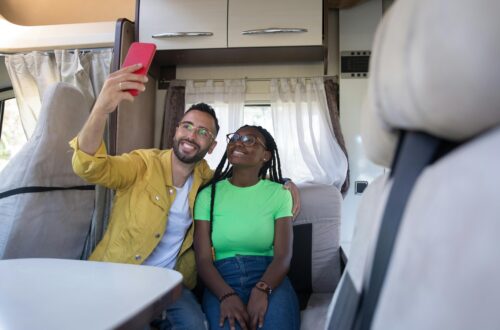
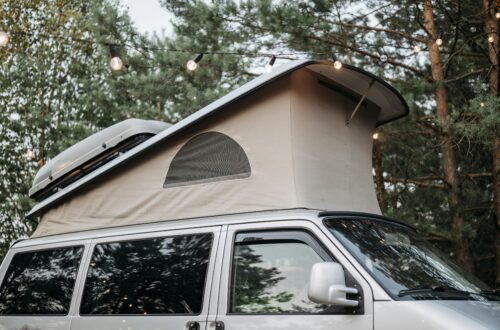
The allure of working from an RV lies in the balance it strikes between mobility and comfort. Unlike minimalist van life or backpacking adventures, RVs offer the amenities of home — a bed, kitchen, bathroom, and workspace — all on wheels.
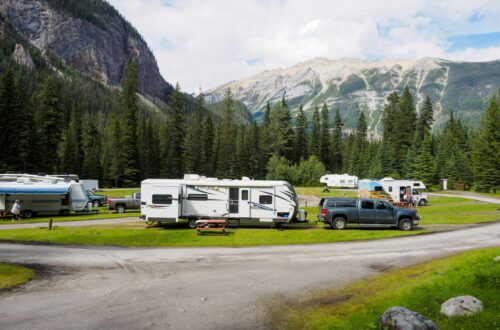
For remote workers, that combination is irresistible. The ability to wake up by a mountain lake, attend a video meeting from a national park, or finish a report while parked at the beach represents a freedom few office environments can match.
According to the RV Industry Association (RVIA), more than 1.5 million Americans now live full-time in their RVs, and a growing portion identify as remote professionals or entrepreneurs. The shift isn’t just about travel; it’s about redesigning work-life balance around personal values rather than proximity to an office.
Technology: The Great Enabler
The “Work-from-RV” lifestyle wouldn’t be possible without technology. What once required a fixed office and wired internet can now be achieved anywhere with the right setup.
Key technologies fueling this movement include:
- Starlink and 5G Internet: Satellite internet services and nationwide 5G networks have revolutionized mobile connectivity. Remote workers can now stream, upload, and video conference from nearly any location in North America.
- Mobile Power Solutions: Solar panels, lithium batteries, and inverter systems allow RVers to power laptops, routers, and monitors off-grid for days or weeks at a time.
- Compact Office Gear: Portable standing desks, ergonomic chairs, and noise-canceling headphones make it easier to maintain productivity on the move.
- Smart RV Systems: Automation tools allow control of lighting, temperature, and power levels remotely — ensuring an efficient, comfortable work environment.
These innovations have made it possible to sustain professional careers while exploring the open road. The “office” is now wherever Wi-Fi reaches.
A New Breed of Professional Nomads
The modern Work-from-RV community is diverse. It includes software engineers, marketing consultants, educators, designers, writers, and even small business owners. Some are young tech workers seeking adventure, while others are mid-career professionals pursuing a slower pace of life.
Let’s look at a few common profiles within this growing movement:
- The Digital Entrepreneur: Runs an online business or e-commerce operation entirely from their RV, using automation and cloud tools to stay agile.
- The Remote Corporate Employee: Maintains a full-time job with a company that supports remote work, logging in from scenic locations instead of an office cubicle.
- The Traveling Creator: Produces content — from photography and videography to travel blogs and social media campaigns — directly inspired by their journey.
- The Semi-Retired Consultant: Chooses to downsize, live more simply, and continue part-time consulting work while traveling the country.
What unites them is a desire for freedom, flexibility, and fulfillment — a rejection of traditional work structures in favor of a lifestyle that prioritizes experience over routine.
Economic and Lifestyle Benefits
For many, working from an RV offers not only adventure but also financial and mental health benefits.
1. Lower Living Costs:
While RV travel involves fuel and maintenance expenses, it eliminates rent or mortgage payments for many. Campgrounds, boondocking sites, and membership programs like Harvest Hosts or Thousand Trails provide affordable options.
2. Enhanced Productivity:
Working from natural settings has been shown to reduce stress and improve focus. Without office distractions or long commutes, many professionals find they accomplish more in less time.
3. Greater Work-Life Integration:
The ability to travel between work sessions means that “off hours” can be spent hiking, kayaking, or exploring new towns — turning downtime into daily adventure.
4. Economic Mobility:
Remote professionals can pursue better job opportunities without being tied to a specific location, increasing their financial independence and quality of life.
In essence, the Work-from-RV lifestyle transforms traditional boundaries between work and leisure into a seamless, flexible experience.
Challenges on the Open Road
Of course, the lifestyle isn’t without its challenges. Reliable internet access remains a concern in rural or mountainous regions. Power management, weather conditions, and the need for regular maintenance can also test even the most experienced travelers.
Additionally, the mental aspect of constantly moving can be demanding. Loneliness and lack of community are common hurdles, though many remote workers combat this by joining RV networks, social media groups, and nomad meetups.
Work-life balance can also blur when your office and home share the same 200 square feet. Successful Work-from-RV professionals often establish strict boundaries — such as designated work hours, defined travel days, and separate spaces for work and relaxation.
Despite these obstacles, most agree that the benefits far outweigh the inconveniences. The challenges simply become part of the adventure.
The Changing Face of Work and Travel
The rise of the Work-from-RV movement reflects a broader shift in both professional and cultural values. Employers are recognizing that productivity isn’t tied to geography. In fact, many companies report higher satisfaction and retention rates among remote workers.
Meanwhile, the RV industry has adapted quickly. Manufacturers are designing “digital nomad-friendly” RVs, featuring built-in office nooks, expanded solar arrays, and advanced connectivity packages. Campgrounds are adding coworking lounges and fiber-optic internet connections to cater to this new demographic.
The result? A thriving ecosystem built around the fusion of work and travel — one that could redefine how future generations view employment and mobility.
Community and Connection on the Road
Far from being solitary wanderers, Work-from-RV professionals are part of a vibrant and growing community.
Events like RV Entrepreneur Summit and Full-Time Freedom Week bring together thousands of remote workers who share tips, stories, and collaboration opportunities. Online forums and apps like Campendium, iOverlander, and RVillage help travelers find reliable campsites, Wi-Fi spots, and even meetups.
Many professionals discover not isolation, but connection — forming friendships that span states and seasons.
The Road Ahead
The rise of Work-from-RV professionals signals a fundamental transformation in how society views both work and travel. As technology continues to advance, electric and solar-powered RVs will make sustainable, off-grid work even more accessible.
For many, the dream of “working from anywhere” has become reality — and the RV is its symbol. It’s not just a vehicle, but a vessel for personal freedom, creativity, and growth.
In the words of one full-time RVer and designer: “My office view changes every week, but my career has never been more stable.”
The open road is no longer a break from work — it’s the new workplace itself. And for this generation of mobile professionals, that’s the ultimate freedom.
Generated by ChatGPT