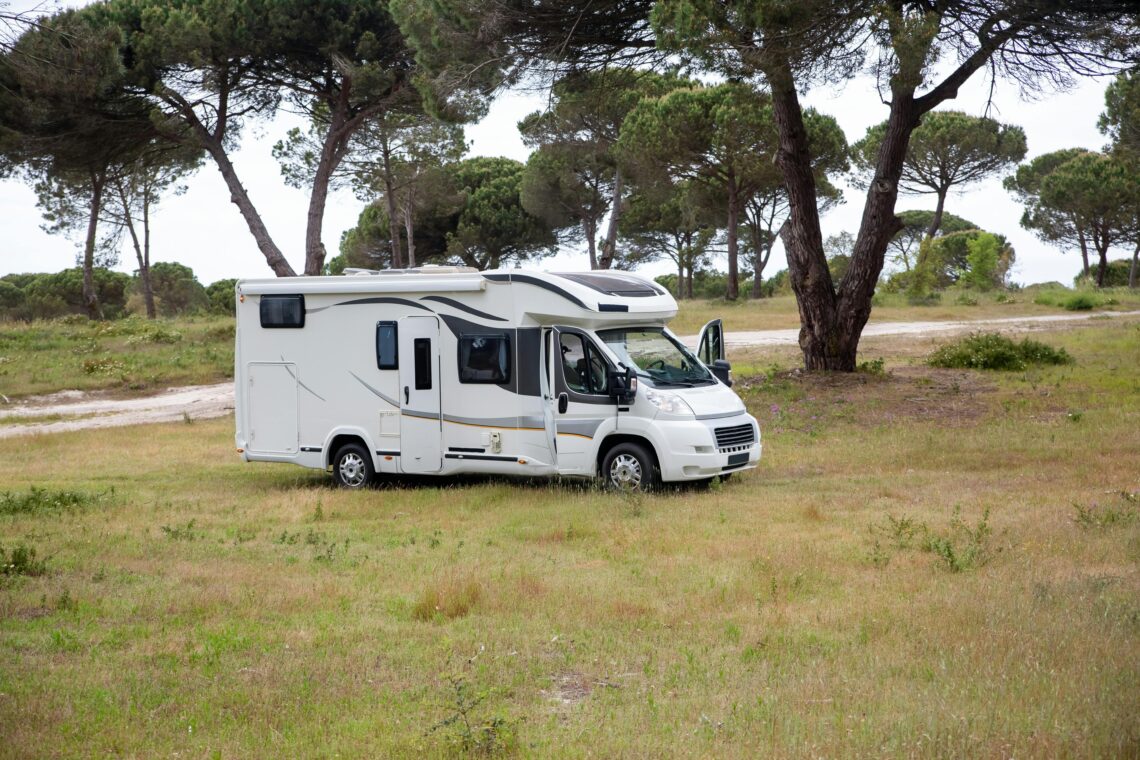
Eco-Friendly RVing: How to Reduce Your Carbon Footprint on the Road
As the world becomes increasingly conscious of environmental issues, many RV enthusiasts are seeking ways to minimize their impact on the planet while still enjoying the freedom of the open road. Eco-friendly RVing is not only possible but can also enhance your travel experience by fostering a deeper connection with nature. This article explores various strategies and technologies that can help you reduce your carbon footprint while RVing, ensuring that your adventures are as sustainable as they are enjoyable.
Choosing the Right RV
The first step in eco-friendly RVing begins with selecting the appropriate vehicle. Opting for a smaller, more fuel-efficient RV can significantly reduce your carbon emissions1. For instance, compact camper vans or lightweight travel trailers often achieve better fuel economy compared to larger motorhomes. Some manufacturers are now producing hybrid RVs that can consume up to 50% less fuel than traditional models, making them an excellent choice for environmentally conscious travelers.
When shopping for an RV, consider the following eco-friendly options:
- Airstream Flying Cloud: Known for its aerodynamic design, the Flying Cloud offers 20% greater towing efficiency than other campers. It has earned the highest TRA certification rank (Emerald level) for its sustainability features.
- Forest River Work and Play: This model boasts a gold rating from TRA and incorporates recycled materials and sustainable features like a rain drainage system and low-flow water fixtures.
- TAXA Outdoors Mantis: A newer model focusing on eco-friendly design and materials.
For those not in the market for a new RV, consider purchasing a used model. This approach reduces the demand for new manufacturing and can be a more sustainable choice overall.
Harnessing Solar Power
One of the most effective ways to reduce your RV’s environmental impact is by installing solar panels. Solar energy allows you to generate clean, renewable power for your RV’s electrical needs, reducing reliance on fossil fuels and enabling longer off-grid stays.
Many modern RVs come pre-wired for solar power, making installation relatively straightforward. For example, the Forest River Flagstaff Micro Lite is designed with solar compatibility in mind. When considering solar panels for your RV, look for high-efficiency models that can maximize power generation even in limited space.
Pairing solar panels with a lithium battery system can further enhance your energy independence. These batteries offer improved storage capacity and longer lifespan compared to traditional lead-acid batteries, allowing you to store more solar energy for use during cloudy days or at night.
Energy Efficiency and Conservation
Improving your RV’s energy efficiency is crucial for reducing its environmental impact. Here are some strategies to consider:
- LED Lighting: Replace traditional bulbs with LED lights, which consume significantly less power and last longer.
- Energy-Efficient Appliances: When upgrading your RV’s appliances, opt for energy-efficient models that consume less power.
- Proper Insulation: Ensure your RV is well-insulated to reduce heating and cooling needs. This can include upgrading windows, sealing gaps, and using thermal curtains.
- Smart Thermostats: Install a programmable thermostat to optimize your RV’s climate control and reduce unnecessary energy consumption.
Water Conservation
Water conservation is a critical aspect of eco-friendly RVing. Here are some tips to reduce water usage:
- Low-Flow Fixtures: Install low-flow faucets and showerheads to minimize water consumption without sacrificing functionality.
- Water Filtration System: Invest in a quality water filtration system to reduce reliance on bottled water and extend your freshwater supply.
- Greywater Recycling: Consider implementing a greywater recycling system to reuse water from sinks and showers for non-potable purposes like flushing toilets.
- Mindful Usage: Be conscious of your water usage habits, taking shorter showers and turning off taps when not in use.
Sustainable Camping Practices
Adopting sustainable camping practices is essential for minimizing your environmental impact while RVing:
- Leave No Trace: Follow Leave No Trace principles by cleaning up after yourself, respecting wildlife, staying on designated trails, and minimizing campfire impact.
- Eco-Friendly Products: Use biodegradable soaps, reusable dishware, and environmentally friendly cleaning products to reduce pollution and waste.
- Waste Management: Practice proper waste disposal by using designated dump stations, composting when possible, and separating recyclables from general trash.
- Support Eco-Friendly Campgrounds: Choose campgrounds that prioritize sustainability through renewable energy use, water-saving technologies, and recycling programs.
Efficient Driving and Trip Planning
How you drive and plan your trips can significantly impact your RV’s fuel consumption and overall carbon footprint:
- Maintain Proper Tire Pressure: Keeping your tires properly inflated can improve fuel efficiency and extend tire life.
- Reduce Excess Weight: Pack only what you need to minimize the weight your RV must carry, improving fuel economy.
- Drive at Steady Speeds: Maintain a consistent speed when possible to optimize fuel consumption.
- Plan Efficient Routes: Choose shorter routes and combine errands to reduce overall mileage and fuel use.
- Extended Stays: Consider staying longer at each destination to reduce the frequency of travel and associated emissions.
Embracing Technology for Sustainability
Advancements in technology are making it easier for RVers to monitor and reduce their environmental impact:
- Smart Energy Monitoring: Use apps and devices to track your energy consumption and identify areas for improvement.
- GPS and Route Planning Apps: Utilize technology to plan the most fuel-efficient routes and locate eco-friendly campgrounds.
- Solar Power Management Systems: Implement smart systems to optimize solar power generation and usage in your RV.
Community and Education
Engaging with the RV community and staying informed about sustainable practices can enhance your eco-friendly RVing experience:
- Join Eco-Conscious RV Clubs: Participate in groups focused on sustainable RVing to share tips and experiences.
- Attend Educational Events: Look for workshops and seminars on eco-friendly RVing techniques and technologies.
- Share Your Knowledge: Educate fellow RVers about sustainable practices to amplify your positive impact on the environment.
Conclusion
Eco-friendly RVing is not just a trend; it’s a responsible approach to enjoying the great outdoors while minimizing our impact on the planet. By choosing the right RV, harnessing renewable energy, practicing water conservation, adopting sustainable camping habits, and embracing efficient travel practices, we can significantly reduce our carbon footprint on the road.
As technology advances and awareness grows, the options for sustainable RVing will continue to expand. Whether you’re a weekend warrior or a full-time RVer, every small step towards sustainability makes a difference. By implementing these eco-friendly practices, we can ensure that the beautiful natural spaces we love to explore will remain pristine for generations to come.
Remember, sustainable RVing is not about sacrificing comfort or enjoyment; it’s about finding innovative ways to enhance our travel experiences while respecting and protecting the environment. As we hit the road, let’s commit to being responsible stewards of the planet, leaving nothing but tire tracks and taking nothing but memories.
Content generated by Perplex.ai