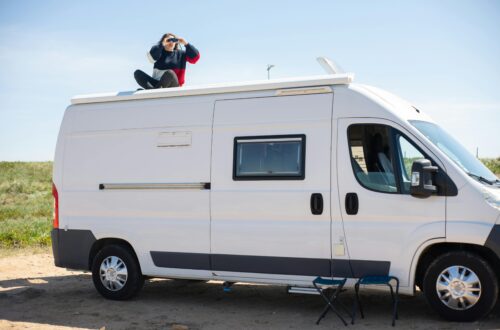
Connectivity on the Go: Best Internet Solutions for RVers
Traveling in an RV offers unparalleled freedom, allowing adventurers to explore the open road while enjoying the comforts of home. However, staying connected to the internet while on the move can be a challenge, especially in remote areas. Whether you’re working remotely, streaming entertainment, or keeping in touch with loved ones, reliable internet is essential for modern RV living. Here’s a comprehensive guide to the best internet solutions for RVers in 2025.
1. Mobile Hotspots: Affordable and Portable
Mobile hotspots are one of the most popular and flexible options for RVers. These devices create a Wi-Fi network using cellular data, allowing you to connect multiple devices like laptops, tablets, and smart TVs.
- Advantages: Mobile hotspots are portable, affordable, and easy to set up. They offer fast speeds and minimal latency when connected to strong cellular networks.
- Challenges: Many providers impose data caps or throttle speeds after exceeding certain limits. Additionally, cellular dead zones in remote areas can disrupt connectivity.
Top Picks:
- T-Mobile Inseego MiFi X PRO 5G: Ideal for weekend trips with generous data plans and 5G connectivity.
- Unlimited LTE Advanced Home Network Hub: Offers unlimited data without throttling, ideal for heavy users.
2. Satellite Internet: Coverage Anywhere
Satellite internet is a game-changer for RVers venturing into rural or remote locations where cellular coverage is sparse. By connecting via satellites orbiting the Earth, this option provides internet access virtually anywhere.
- Advantages: Satellite internet offers broad coverage and reliable speeds in areas where other options fail.
- Challenges: High upfront equipment costs, weather-dependent performance, and latency issues can make satellite internet less appealing for some users.
Top Picks:
- Starlink Roam Unlimited: With speeds up to 100 Mbps and nationwide coverage, Starlink’s portable satellite service is perfect for digital nomads. The in-motion use option requires additional equipment but ensures connectivity even while driving.
- Viasat: Known for faster speeds compared to competitors like HughesNet, Viasat is a reliable choice for stationary RV setups.
3. Wi-Fi Extenders and Boosters: Enhancing Public Wi-Fi
For RVers who frequent campgrounds or RV parks with public Wi-Fi, Wi-Fi extenders and boosters can significantly improve connectivity. These devices amplify weak signals from distant routers.
- Advantages: Cost-effective and easy to use, they enhance existing Wi-Fi networks without requiring separate data plans.
- Challenges: Public Wi-Fi networks can be unreliable and pose security risks.
Top Picks:
- Bearifi BearExtender Outdoor Antenna: Designed specifically for RVs to boost campground Wi-Fi signals.
- RV WiFi Boosters: Available from various brands with prices ranging from $50 to $500.
4. Multi-Carrier Solutions: Seamless Redundancy
Multi-carrier solutions like RoamLink Connect combine the power of multiple cellular networks (e.g., AT&T, Verizon, T-Mobile) into one device. This approach ensures the strongest possible signal by automatically switching between carriers.
- Advantages: Reliable connectivity even in crowded areas where one carrier’s network might be saturated.
- Challenges: Higher monthly costs compared to single-carrier plans.
Top Pick:
- RoamLink Connect: Offers flexible plans starting at $69/month with no contracts required. It’s compatible with Starlink for a seamless multi-source solution.
5. Portable 4G LTE Internet: Home-Like Speeds
For full-time RVers or those who treat their vehicle as a second home, portable 4G LTE internet provides stable broadband-like speeds without requiring a fixed address.
- Advantages: Reliable speeds suitable for streaming and working remotely.
- Challenges: Limited availability in very remote areas compared to satellite options.
Top Picks:
- Ladybug Wireless: Offers plans ranging from $129.99–$219.99/month with high data caps of up to 750 GB.
- UbiFi: Provides unlimited data plans starting at $129.99/month.
6. Choosing the Right Solution
Selecting the best internet option depends on your travel habits and connectivity needs:
| Scenario | Recommended Solution |
|---|---|
| Weekend trips or casual use | Mobile Hotspot (e.g., T-Mobile MiFi) |
| Remote locations | Satellite Internet (e.g., Starlink) |
| Frequent campground stays | Wi-Fi Extender (e.g., Bearifi Antenna) |
| Full-time RVer or digital nomad | Multi-carrier (e.g., RoamLink Connect) |
7. Tips for Optimizing RV Internet
To make the most of your internet connection on the road:
- Invest in Signal Boosters: Enhance both cellular and Wi-Fi signals with rooftop antennas or boosters.
- Monitor Data Usage: Avoid overage charges by keeping track of your data consumption.
- Secure Your Connection: Use VPNs when connecting to public Wi-Fi networks to protect your personal information.
- Plan Ahead: Research coverage maps before traveling to ensure connectivity at your destination.
8. The Future of RV Connectivity
As technology evolves, new innovations continue to improve internet access for RVers:
- Advances in satellite technology are reducing latency and increasing speeds.
- 5G networks are expanding coverage across rural areas.
- Hybrid solutions combining satellite and cellular networks are becoming more affordable.
Staying connected while traveling has never been easier or more versatile than it is today.
In conclusion, whether you’re a weekend adventurer or a full-time traveler, there’s an internet solution tailored to your needs. From mobile hotspots and satellite systems to multi-carrier setups like RoamLink Connect, RVers have more options than ever before to stay connected on the go. Evaluate your requirements, consider your budget, and choose the solution that keeps you seamlessly connected wherever your journey takes you!
Generated by Perplex.ai